Refine by health condition
Oncologist Search Results
MediFind found 260 specialists near Glen Burnie, MD

Sidney Kimmel Comprehensive Cancer Center
Dr. DeZern is a Professor of Oncology and Medicine at The Johns Hopkins University School of Medicine. She is active in the Division of Hematology Malignancies, Leukemia Program at the Sidney Kimmel Comprehensive Cancer Center at Johns Hopkins. Dr. DeZern has expertise in aplastic anemia, myelodysplastic syndromes, paroxysmal nocturnal hemoglobinuria, acute myeloid leukemia, and bone marrow transplantation. Dr. DeZern received her medical degree at The Johns Hopkins University School of Medicine. She completed a residency in internal medicine at Johns Hopkins, followed by fellowships in medical oncology and hematology, as well as obtained a Masters in Clinical Investigations at the Bloomberg School of Public health. Dr. DeZern is a member of the American Society of Hematology, the American Society of Clinical Oncology, and the American Society for Transplantation and Cellular Therapy. Dr. DeZern’s principle research activities consist of designing and conducting clinical trials that test investigational new therapies and approaches in the treatment of bone marrow failure (aplastic anemia and myelodysplastic syndromes). She has specific expertise in the use of alternative donor bone marrow transplantation in patients with severe aplastic anemia and trials of novel therapeutics for patients with myelodysplastic syndromes. Additionally, she has taken a rigorous approach to the study of diagnostics and supportive case (such as transfusion practices) in these patient populations. She is or has been the Principal Investigator for a number of multicenter trials in collaboration with the MDS Clinical Research Consortium, the Eastern Co-operative Oncology Group (ECOG)-ACRIN and now the Bone Marrow Trials Clinical Trials Network (BMTCTN). She is the Study Chair for the multi-site BMTCTN study (CHAMP) investigating the role of haploidentical donor transplantation using post-transplantation cyclophosphamide in patients with relapsed several aplastic anemia. Dr. DeZern is the local PI as well as the Deputy Chair for The National MDS Study, a collaborative natural history study of the NHLBI and the NCI. As a clinical investigator with a focus on translation of novel treatments to the clinic, Dr. DeZern’s goal is to improve outcomes for patients with bone marrow failure at the bedside and in her research environment. Dr. Dezern is highly rated in 27 conditions, according to our data. Her top areas of expertise are Myelodysplastic Syndrome (MDS), Chronic Myelomonocytic Leukemia (CMML), Acute Myeloid Leukemia (AML), Bone Marrow Transplant, and Bone Marrow Aspiration.

Skip Viragh Outpatient Cancer Center
Dr. Daniel Laheru is a cancer specialist in Baltimore, caring for patients with pancreatic cancer, colorectal cancer and neuroendocrine cancers. Dr. Laheru serves as co-director of the Skip Viragh Center for Pancreas Cancer Clinical Research and Patient Care at Johns Hopkins Medicine. Dr. Laheru received his undergraduate degree in chemistry from The University of Utah. He earned his M.D. at Baylor College of Medicine. He completed his residency at The University of Utah Hospital and Clinics and performed a fellowship in medical oncology at The Johns Hopkins University School of Medicine and The Johns Hopkins Oncology Center. Dr. Laheru joined the Johns Hopkins faculty in 2001. Dr. Laheru's research interests include pancreatic cancer and chemotherapy resistance in pancreatic cancer. With Elizabeth Jaffee, M.D., he developed a vaccine that supercharges the immune system and causes immune cells, which tend to be tolerant of cancer, to seek out and kill pancreatic cancer cells throughout the body. He has given numerous invited talks on pancreatic cancer and other cancers both nationally and internationally. He has authored over 200 papers focused on pancreatic cancer. Dr. Laheru serves as associate editor of Annals of Pancreatic Cancer. He has been recognized by the American Society of Clinical Oncology with the Young Investigator Award, by the Sidney Kimmel Comprehensive Cancer Center at Johns Hopkins as an Isaac and Catharine Hecht Scholar and has been elected to the Miller-Coulson Academy of Clinical Excellence. He is a member of the American College of Physicians, the American Society of Clinical Oncology and the American Association for Cancer Research. Dr. Laheru is highly rated in 27 conditions, according to our data. His top areas of expertise are Pancreatic Cancer, Familial Pancreatic Cancer, Neuroendocrine Tumor, Pancreaticoduodenectomy, and Pancreatectomy.
Sidney Kimmel Comprehensive Cancer Center
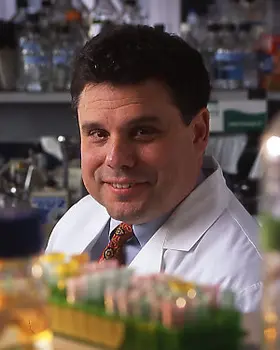
Richard F. Ambinder, M.D., Ph.D., currently serves as the James B. Murphy Professor of Oncology and the Director of the Division of Hematologic Malignancies at the Johns Hopkins Kimmel Cancer Center. He is program co-leader of the Hematologic Malignancies and Bone Marrow Transplantation Program and leads the AIDS Malignancy Consortium (AMC) site at Johns Hopkins and the AMC Translational Sciences Working Group nationally. Dr. Ambinder graduated from Harvard College with a Bachelor’s degree in biochemistry, after which he received his medical degree from the Johns Hopkins University School of Medicine before completing his residency at the Johns Hopkins Hospital. He also earned his Ph.D. in pharmacology from the Johns Hopkins University, and completed his oncology fellowship at Johns Hopkins. Within the clinic, Dr. Ambinder is active in the treatment of lymphoma and Kaposi’s sarcoma. Dr. Ambinder’s research is focused on exploring opportunities to prevent or treat cancer with viral infections. Virus-associated tumors are among the most common malignancies in certain populations and regions. For instance, Burkitt's lymphoma (EBV) and Kaposi's sarcoma (KSHV) are common in equatorial Africa, nasopharyngeal carcinoma (EBV) is common in southern Chinese populations or those with southern Chinese origins, and immunoblastic lymphomas (EBV) are common in immunocompromised patients (organ transplant recipients, AIDS patients, etc). Thus, Dr. Ambinder’s new approaches to prevention, diagnosis, and treatment stand to have a direct impact on the lives of cancer patients around the globe. Additionally, the study of how viruses can impact these tumors is important in creating model systems for the development of new approaches to cancer care. Currently, many immunotherapies target unidentified antigens, making the measurement of relevant immune responses problematic at best. However, in EBV-associated tumors the antigens are well defined, thus allowing the Ambinder lab to define the epitope-specific cellular immune responses. As a result of this breakthrough, interventions designed to alter immune response —whether they be vaccine based interventions, adoptive immunotherapy interventions, or pharmacologic interventions — may all be assessed in terms of relevant surrogate markers. Much in the same way the treatment of Hodgkin's lymphoma with radiotherapy and chemotherapy paved the way for the modern approach to cancer treatment more broadly, the treatment of EBV-associated tumors (including Hodgkin's lymphoma) may pave the way to the more generalized use of these modalities to treat a myriad of cancer types. Dr. Ambinder is highly rated in 23 conditions, according to our data. His top areas of expertise are Hodgkin Lymphoma, Non-Hodgkin Lymphoma, B-Cell Lymphoma, Tissue Biopsy, and Bone Marrow Aspiration.
Sidney Kimmel Comprehensive Cancer Center
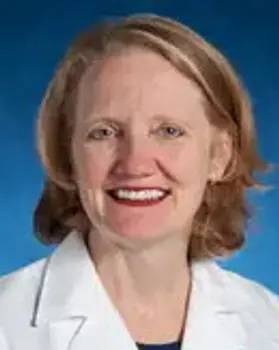
Dr. Nina Wagner-Johnston is Professor of Oncology at the Johns Hopkins University School of Medicine. Her areas of clinical expertise include non-Hodgkin lymphoma, Hodgkin lymphoma, and HIV-related lymphomas. Dr. Wagner-Johnston serves as the Director for the Lymphoma Drug Development Program at the Johns Hopkins University. Dr. Wagner-Johnston received her baccalaureate degree in nursing from Georgetown University in Washington, DC. She earned her MD and completed her residency training at the University of Chicago, Chicago Illinois. She performed a fellowship in Medical Oncology at Johns Hopkins University, Baltimore, Maryland. Dr. Wagner-Johnston joined the Johns Hopkins faculty in 2015. Prior to joining Johns Hopkins, Dr. Wagner-Johnston was an Assistant Professor at Washington University, St. Louis, Missouri. Her research interests include clinical trial and biomarker development for patients with lymphoma. She is additionally involved in palliative/supportive care research and has a particular interest in chemotherapy-induced peripheral neuropathy. Dr. Wagner-Johnston serves as a member on the NCCN Cancer Related Fatigue Guidelines Panel and the ASCO Neuropathy Guidelines Panel. She has served as a journal reviewer for Annals of Oncology, Leukemia and Lymphoma, Blood, and the Journal of Nuclear Medicine. She is a previous recipient of a Young Investigator Award at the Supportive Oncology Conference as well as a Mentoring Program Award through the American Academy of Hospice and Palliative Medicine. She has served on the National Cancer Institute (NCI) Lymphoma Steering Committee Clinical Trials Design Committee and the NCI Symptom Management and Health Related Quality of Life Steering Committee. She is a member of the American Society of Hematology (ASH), the American Society of Clinical Oncology (ASCO), the AIDS Malignancies Consortium (AMC), and the Eastern Cancer Oncology Group (ECOG) Lymphoma Committee. Dr. Wagner is highly rated in 22 conditions, according to our data. Her top areas of expertise are Non-Hodgkin Lymphoma, Diffuse Large B-Cell Lymphoma (DLBCL), B-Cell Lymphoma, Bone Marrow Transplant, and Bone Marrow Aspiration.

Skip Viragh Outpatient Cancer Center
Dr. Matthias Holdhoff is a medical oncologist and co-director of the Brain Cancer Disease Group at the Sidney Kimmel Comprehensive Cancer Center at Johns Hopkins. He is a professor of oncology, neurology and neurological surgery at Johns Hopkins University School of Medicine. Dr. Holdhoff’s expertise is in primary brain cancers and central nervous system lymphomas. He earned his medical degree from Freie Universität Berlin, received his doctorate degree at Charité University Medicine Berlin. Dr. Holdhoff completed residency training in internal medicine at Johns Hopkins Bayview Medical Center, followed by a fellowship in medical oncology at Johns Hopkins Hospital with research training at the Ludwig Center for Cancer Genetics and Therapeutics (Kinzler-Vogelstein lab). As a clinical investigator in neuro-oncology, his research is focused on novel trials and translational biomarker studies in malignant gliomas and primary central nervous system lymphomas. He has led and contributed to numerous clinical trials, publications and presentations. Dr. Holdhoff serves as the director of the solid tumor inpatient service at the Sidney Kimmel Comprehensive Cancer Center. He is passionately involved in mentoring and teaching of fellows, residents and students. He is the director of the UCNS-certified neuro-oncology fellowship program at Johns Hopkins, and he is a teaching attending physician for the Osler internal medicine residency program. Dr. Holdhoff is highly rated in 19 conditions, according to our data. His top areas of expertise are Glioma, Glioblastoma, Astrocytoma, and Brain Tumor.

Johns Hopkins Outpatient Center
Dr. Rebecca Stone is an associate professor in the Johns Hopkins Medicine Department of Gynecology and Obstetrics. Her area of clinical expertise is gynecologic cancers, including cervical, uterine, vulvar and ovarian cancer, as well as gestational trophoblastic disease. Dr. Stone is a highly skilled surgeon with expertise in laparoscopic and robotic surgery for gynecologic tumors. She also serves as director of the Gynecology Enhanced Recovery after Surgery initiative, an innovative, multidisciplinary program that improves recovery and healing time after major abdominal surgery, as well as minimizes health care costs for patients. Dr. Stone received her undergraduate degree in biology from the University of Virginia. She earned her medical degree from the University of Virginia School of Medicine, where she subsequently completed her residency in obstetrics and gynecology. Dr. Stone performed a four-year gynecologic oncology fellowship at the University of Texas MD Anderson Cancer Center. She also earned a master’s degree in cancer biology from the University of Texas in 2010. Prior to joining Johns Hopkins, Dr. Stone was an assistant professor at the University of Arkansas for Medical Sciences, where she was one of five gynecologic oncologists serving the entire state. Dr. Stone is internationally recognized for her research pertaining to early diagnosis and treatment of ovarian cancer. She is widely published in the field of gynecologic oncology, with first-author papers in the New England Journal of Medicine and Lancet Oncology, as well as over 40 co-authored manuscripts in peer-reviewed medical journals. She was honored with an award for one of the most influential papers published in the field of obstetrics and gynecology in 2012 and with an Ovarian Cancer Research Fund Grant for “Unplugging Ovarian Cancer from the Power of Platelets.” Dr. Stone strongly believes in a multidisciplinary team approach to gynecologic cancer care. She seeks to provide women with the most advanced and personalized treatment plans while best preserving quality of life. She enjoys working with community providers so that patients are comforted by receiving care close to home. Dr. Stone is highly rated in 19 conditions, according to our data. Her top areas of expertise are Ovarian Cancer, Endometrial Cancer, Ovarian Carcinosarcoma, Hysterectomy, and Oophorectomy.

Skip Viragh Outpatient Cancer Center
Dr. Nilofer S. Azad is Professor of Oncology at Johns Hopkins University School of Medicine and serves as the Associate Cancer Center Director for Clinical Research for the Johns Hopkins Sidney Kimmel Cancer Center. Dr. Azad earned her medical degree and completed a residency in internal medicine at Baylor College of Medicine in Houston, Texas. She then completed a fellowship in oncology and hematology at the National Institute of Health's National Cancer Institute in Bethesda, Maryland where she served as chief fellow. Dr. Azad’s research focused on early phase drug development and the intersection of moving exciting laboratory findings into patients for new treatment options Dr. Azad joined the faculty at the Kimmel Cancer Center in 2008. Dr. Azad’s clinical expertise is in cancers of the gastrointestinal tract, with a concentration in colorectal cancer, cholangiocarcinoma and pancreaticobiliary tract cancer. Her research efforts are dedicated to developing new drug combinations for patients with advanced cancer. In particular, Dr. Azad’s laboratory and clinical trials explore epigenetic therapy in combination with chemotherapy and immunotherapy to improve survival for patients, as well as molecularly targeted drugs. She is an active clinical trialist, leading multiple clinical trials of molecularly targeted agents for advanced cancer patients. Dr. Azad has received numerous grants for her work from entities such as the NCI (National Cancer Center), American Cancer Society, American Society of Clinical Research, Breakthrough Cancer Foundation, the Lustgarten Foundation, The Gateway Foundation, and the National Comprehensive Cancer Network, among others. She served as Principal for Johns Hopkins on the AACR Stand Up 2 Cancer Colorectal Cancer Dream Team and is a member of the Stand Up 2 Cancer Epigenetics Dream Team, leading the GI cancer initiatives for the group. Dr. Azad is a national leader in GI cancer, including serving as a member of the national NCI Colon Cancer Task Force and as Co-Chair of the Scientific and Medical Advisory Board for the Cholangiocarcinoma Foundation. She has a presidential appointment to the National Cancer Advisory Board. Dr. Azad is highly rated in 17 conditions, according to our data. Her top areas of expertise are Cholangiocarcinoma (Bile Duct Cancer), Colorectal Cancer, Pancreatic Cancer, Hepato-Pancreato-Biliary Surgery, and Liver Embolization.

Skip Viragh Outpatient Cancer Center
David Kamson is an Oncologist in Baltimore, Maryland. Dr. Kamson is highly rated in 17 conditions, according to our data. His top areas of expertise are Brain Tumor, Glioblastoma, Gliosarcoma, Metastatic Brain Tumor, and Hormone Replacement Therapy (HRT).

Skip Viragh Outpatient Cancer Center
Dr. Michael A. Carducci is the AEGON Professor in Prostate Cancer Research at the Johns Hopkins University School of Medicine. He serves as the Vice Chair of Solid Tumor Oncology in the Department of Oncology. Dr. Carducci has an expertise in various types of cancer including prostate, kidney, and testicular. He also has an expertise in clinical trials, pain and palliative care for oncology, urological oncology, urology and medical oncology. A graduate of Georgetown University, Dr. Carducci received his medical degree with high distinction from Wayne State University School of Medicine. He completed an internal medicine internship, residency and chief residency at the University of Colorado Health Sciences Center. He went on to complete medical oncology and research fellowships at the Johns Hopkins Oncology Center at Johns Hopkins Hospital. He was promoted to Professor of Oncology and Urology in 2008 and installed into the inaugural AEGON Professorship in Prostate Cancer Research in 2009. He served as Co-Director of the GU Oncology program until 2013. In 2013, he assumed the leadership role of Associate Director for Clinical Research until being named Vice-Chair of Solid Tumor Oncology in 2024. A fellow of the American College of Physicians and a fellow of the American Society of Clinical Oncology, Dr. Carducci has received peer-reviewed funding for his clinical research from the National Cancer Institute, Department of Defense, and the Prostate Cancer Foundation. Mentorship of students, fellows, and junior faculty has been another focus of Dr. Carducci’s career in medicine, receiving numerous teaching awards. Dr. Carducci received the Michaele Christian Award and Lectureship for Oncology Drug Development at the National Cancer Institute in 2011. He chaired the Genitourinary Oncology Committee of ECOG-ACRIN from 2011-2024. In this role, he served on the GU Steering Committee for the NCI. Dr. Carducci is a member of the Investigational Drug Steering Committee for the NCI, and chaired that Committee for four years. He served as Associate Editor for GU Cancers for the Journal of Clinical Oncology from 2013-2024. Overall, his clinical research focus is on the development and evaluation of new therapies for urologic cancers. Incorporation of pharmacodynamics, novel biomarkers, and targeted imaging has been key elements of many of the trials led by Dr. Carducci. To complete these studies, Dr. Carducci facilitates and brings together a multidisciplinary team from urologists, radiation oncologists, pathologists, biostatisticians, and medical oncologists. Other areas of interest include palliative and end of life care, survivorship, and use of patient reported outcomes in clinical research and care. This provider is registered with the Florida Department of Health to perform telehealth services for patients in Florida. Dr. Carducci is highly rated in 16 conditions, according to our data. His top areas of expertise are Prostate Cancer, Chromophobe Renal Cell Carcinoma, Renal Cell Carcinoma (RCC), Hormone Replacement Therapy (HRT), and Orchiectomy.

Sidney Kimmel Comprehensive Cancer Center
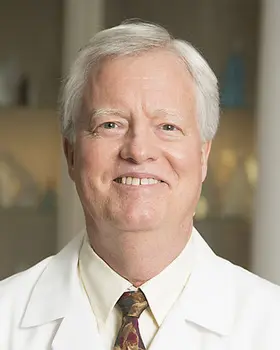
Dr. Ivana Gojo is a Hematologist/Oncologist in Baltimore. Her clinical focus is on diagnosis and management of patients with acute leukemias (AML, ALL) and other myeloid malignancies (MDS, MPNs, CML), with emphasis on the development of novel therapeutic approaches for these diseases. She is nationally and internationally recognized expert in clinical translation of novel therapeutics for acute leukemias and principal investigator on multiple multi-center investigator-initiated studies. Dr. Gojo joined the Johns Hopkins faculty in 2012 as the Co-Director of Leukemia Drug Development Program. She has served on the National Cancer Institute (NCI) Investigational Drug Steering Committee since 2014. Dr. Gojo received a Service Star Award from Johns Hopkins Medicine Service Excellence in 2018 for her exemplary care of leukemia patients. Dr. Gojo contributed to the clinical translational and drug development effort of multiple novel agents targeting pathogenic pathways in patients with acute leukemia. Her research efforts are now concentrated on the development and integration of novel immunotherapies into therapeutic armamentarium for patients with acute leukemia. She mentors basic and clinical research fellows and junior faculty on the development and design of novel clinical trials and mechanistic laboratory studies associated with these trials. She served as a leukemia team leader on the National Institute of Health (NIH)/NCI N01 grant (Phase II consortium) (2009-2011), and is co-principal investigator (PI) on the Experimental Therapeutics (ET)-Clinical Trial Network (CTN) UM1 grant supporting early clinical trials. Dr. Gojo has served on the National Comprehensive Cancer Network guideline panel for AML since 2019, Myeloid Growth Factor guideline panel since 2015 and previously served on the MPNs guideline panel (2016-2019). She has extensive experience in the regulatory aspects of drug development and served as the Chair (2015-2016) and Co-Chair (2014-2015) of the Cancer Research Review Committee at Sidney Kimmel Comprehensive Cancer Center (SKCCC) at Johns Hopkins, and serves as a member of the SKCCC Biostatistics Core Advisory Committee and SKCCC Clinical Research Office Coordinating Center Oversight Committee. Dr. Gojo is highly rated in 16 conditions, according to our data. Her top areas of expertise are Acute Myeloid Leukemia (AML), Myelodysplastic Syndrome (MDS), Leukemia, Bone Marrow Aspiration, and Bone Marrow Transplant.
Sidney Kimmel Comprehensive Cancer Center
Richard J. Jones, M.D., is a Professor of Oncology and Medicine, Director of the Bone Marrow Transplantation Program, and Co-Director of the Hematologic Malignancies Program at The Sidney Kimmel Comprehensive Cancer Center at Johns Hopkins. Dr. Jones received his Bachelor of Science in chemistry from Bucknell University prior to completing his medical degree at the Temple University School of Medicine. He then completed his residency at Temple University Hospital, where he was appointed to serve as Chief Resident in Internal Medicine. Dr. Jones later came to Johns Hopkins to complete his Medical Oncology Fellowship, and was then recruited to the faculty. Dr. Jones’ research is aimed at better understanding the biology of normal and cancer stem cells, with the goal of translating promising findings to the clinic particularly in the area of blood and marrow transplantation (BMT). Dr. Jones' laboratory discovered one the most commonly-used stem cell markers, Aldefluor which identifies cells based on their expression of aldehyde dehydrogenase 1 (ALDH1), and have used this marker to identify and characterize normal stem cells and cancer stem cells from many hematologic malignancies. This work also led to the development of post-transplant cyclophosphamide and effective related haploidentical BMT. Cyclophosphamide is metabolized by ALDH1, which is the reason both stem cells and memory lymphocytes are resistant to the drug. Recently, Dr. Jones' laboratory found that cytochrome P450 enzymes are a major mechanism by which the bone marrow stem cell niche protects both normal and leukemia stem cells. Dr. Jones co-leads the Hematologic Malignancies and Bone Marrow Transplantation Research Program. In addition to his promising work in the laboratory, Dr. Jones is recognized as a gifted mentor. During his tenure at Hopkins, he has trained a generation of leading physician-scientists who have excelled at Johns Hopkins and across the country. Dr. Jones has also authored numerous peer-reviewed articles that have been published in such prestigious journals as Blood, Nature, the New England Journal of Medicine, Lancet, PNAS, the Annals of Internal Medicine, the Journal of Clinical Oncology, the Journal of the National Cancer Institute, the British Journal of Haematology, and Leukemia. Dr. Jones is highly rated in 16 conditions, according to our data. His top areas of expertise are Acute Myeloid Leukemia (AML), Myelodysplastic Syndrome (MDS), Non-Hodgkin Lymphoma, Leukemia, and Splenectomy.

Johns Hopkins Outpatient Center
Dr. Noah Hahn is a medical oncologist in the Baltimore area, caring for patients with bladder cancer. He serves as the deputy director of the Greenberg Bladder Cancer Institute at the Johns Hopkins School of Medicine. Dr. Hahn earned his M.D. from Indiana University School of Medicine. He completed his residency in internal medicine at Duke University School of Medicine and performed a fellowship in medical oncology at Indiana University School of Medicine. Dr. Hahn joined the Johns Hopkins faculty in 2014. Prior to joining Johns Hopkins, Dr. Hahn was the director of the Genitourinary Medical Oncology Program at Indiana University and chief scientific officer for the Hoosier Oncology Group, a cancer research organization that evaluates innovative and promising approaches to cancer treatment. He is currently conducting clinical trials to test new therapies for bladder cancer, including those for early stage bladder cancer. Dr. Hahn is a member of the Bladder Cancer Task Force for the National Cancer Institute’s Genitourinary Cancer Steering Committee and is chair of the Bladder Cancer Subcommittee of the Eastern Cooperative Oncology Group. Dr. Hahn is highly rated in 15 conditions, according to our data. His top areas of expertise are Bladder Cancer, Urothelial Cancer, Muscle Invasive Bladder Cancer, Upper Tract Urothelial Carcinoma (UTUC), and Nephrectomy.

Skip Viragh Outpatient Cancer Center
Ana De Jesus is an Oncologist in Baltimore, Maryland. Dr. De Jesus is highly rated in 15 conditions, according to our data. Her top areas of expertise are Pancreatic Cancer, Neuroendocrine Tumor, Pancreatic Islet Cell Tumor, Pancreaticoduodenectomy, and Pancreatectomy.
Sidney Kimmel Comprehensive Cancer Center
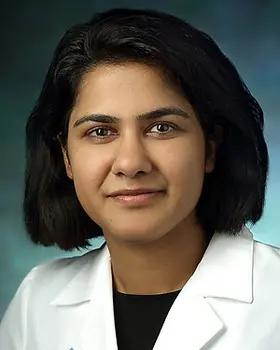
As a physician scientist in the hematological malignancies and stem cell transplantation division with Sidney Kimmel Comprehensive Cancer Center at the Johns Hopkins, my focus is on the various aspects of cellular therapy in the treatment of hematological malignancies. My primary research focus is to develop strategies to prevent relapse of hematological malignancies following allogeneic stem cell transplantation. Additionally, I serve as the director of the adult CAR T program for hematological malignancies as we grow our CAR T program to help patients with advanced hematological malignancies. My academic interest in this space lies in studying the aspects of toxicity of CAR T cell therapy with an aim to improve long term outcomes in these patients. Among hematological malignancies, myeloproliferative disorders are my area of interest and I work to study newer drugs in early phase of development and also its treatment using allogeneic stem cell transplantation. Patient appointments: 410-955-8893. Dr. Jain is highly rated in 15 conditions, according to our data. Her top areas of expertise are Myelofibrosis, Myeloproliferative Neoplasms (MPN), Splenomegaly, Bone Marrow Transplant, and Splenectomy.

Johns Hopkins Bayview Medical Center
Christine L Hann, completed her MD and Ph.D. at Jefferson Medical College/Thomas Jefferson University follwed by an internal medicine residency at the University of Chicago Hospitals. Following a fellowship at Johns Hopkins University in Hematology and Oncology, Dr. Hann joined the Johns Hopkins Sidney Kimmel Comprehensive Cancer Center as a member of the Upper Aerodigestive Cancer Program and sees patients with non-small cell and small cell lung cancer. Dr. Hann's research focus is on developing novel therapeutics for lung cancer, particularly small cell lung cancer (SCLC) and neuroendocrine tumors (NETs) such as carcinoid tumors of the lung. As a faculty member she is involved in both clinical and laboratory research. Specific research projects include: 1) Studying mechanisms of resistant to small molecule inhibitors of the antiapoptotic protein, BCL-2 using patient-derived xenograft models. Her preclinical work has led to an NCI-sponsored Phase 1/2 clinical trial combining a BCL-2 inhibitor with a TORC1/2 inhibitors which is currently underway (NCT03366103). 2) Preclinical evaluation of various therapeutics including epigenetic modulators (LSD1 inhibitors) and nanoliposome chemotherapy in SCLC PDXs; 3) Modeling and characterizing chemoradiotherapy resistance in preclinical models of SCLC. She, along with Dr. Luigi Marchionni in Biostatistics and Dr. Phuoc Tran in the Department of Radiation Oncology, were recently awarded a 5-year NCI-sponsored U01 grant to study mechanisms of chemoradiation resistance in SCLC. Dr. Hann is PI of several trials in SCLC and NSCLC and is leading investigator-initiated clinical trials in SCLC and NETs. Dr. Hann is highly rated in 15 conditions, according to our data. Her top areas of expertise are Small Cell Lung Cancer (SCLC), Lung Cancer, Non-Small Cell Lung Cancer (NSCLC), and Squamous Cell Lung Carcinoma.

Sidney Kimmel Comprehensive Cancer Center
Mark J. Levis, M.D., Ph.D., professor of oncology, medicine and pharmacology in the Division of Hematologic Malignancies at the Johns Hopkins University School of Medicine, co-directs the Hematologic Malignancies and Bone Marrow Transplantation Program and directs the Adult Leukemia Service at the Johns Hopkins Sidney Kimmel Cancer Center. In addition to his role within the Kimmel Cancer Center, he serves on the faculty for the Johns Hopkins Graduate Training Program in Cellular and Molecular Medicine, a Ph.D. program that prepares scientists to conduct laboratory research at the cellular and molecular level that is designed to have a direct impact on the understanding of human diseases. Dr. Levis has expertise in acute and chronic myeloid leukemia, acute lymphoblastic leukemia, and myelodysplastic syndromes. Dr. Levis received his medical degree at the University of California, San Francisco School of Medicine, where he also earned his Ph.D. in Biochemistry. He completed a residency in internal medicine at Johns Hopkins, followed by fellowships in medical oncology. Dr. Levis is a member of the American Society of Hematology, the American Society of Clinical Oncology and the European Hematology Association. He is an ad hoc member of the Oncology Drug Advisory Committee, as well as an ad hoc manuscript referee for peer-reviewed journals such as New England Journal of Medicine; Leukemia; Clinical Cancer Research; and The American Journal of Hematology. Dr. Levis has earned numerous awards, such as the Daniel Nathans Research Award from Johns Hopkins University, the Osler Housestaff Teaching Award, the Director's Teaching Award in Clinical Science, and the Advanced Clinical Research Award from the American Society of Clinical Oncology. Dr. Levis’ laboratory research focuses on the development of molecularly-targeted therapies for leukemia. He is actively involved in the pre-clinical and clinical development of small molecule inhibitors of protein kinases, including FLT3. The research involves studying the biochemical effects of these inhibitors on samples taken from leukemia patients, with the broad goal of identifying and validating novel molecular therapeutic targets in these hematopoietic malignancies. While Dr. Levis plays a key role in the pre-clinical development of these therapies, he is particularly interested in translating this research to the bedside of his patients by using correlative studies to incorporate these novel therapies into existing treatments. In addition to his work in both the clinic and the laboratory, Dr. Levis has also conducted talks, mentorship and teaching lectures, and published extensively in the top journals in his field, including Leukemia; Blood; and the New England Journal of Medicine. Dr. Levis is highly rated in 14 conditions, according to our data. His top areas of expertise are Acute Myeloid Leukemia (AML), Leukemia, Acute Promyelocytic Leukemia, Acute Myeloblastic Leukemia without Maturation, and Bone Marrow Aspiration.

Johns Hopkins Outpatient Center
Dr. Max Kates is the R. Christian B. Evensen Professor and an associate professor of urology and oncology at the Brady Urological Institute at Johns Hopkins. He also directs the Division of Urologic Oncology for the Brady Urological Institute. Dr. Kates completed his undergraduate degree at Wesleyan University in Connecticut before pursuing his medical degree at Mount Sinai School of Medicine in New York. He then went on to train at Johns Hopkins for his urologic residency and Society of Urologic Oncology (SUO) fellowship. Dr. Kates has expertise in all areas of urologic oncology, with a particular emphasis on bladder and prostate cancer. With training in open, endoscopic, and robotic surgical approaches, Dr. Kates’ surgical philosophy is to assess the unique needs of each patient, and develop the right treatment plan for their malignancy. He is very hands on in his approach in the clinic and the operating room, and believes open communication with the patient, the patient’s family, and referring providers is key to ensuring a speedy recovery. As the clinical director of the bladder cancer multidisciplinary clinic, Dr. Kates works with the team at the Johns Hopkins Greenberg Bladder Cancer Institute to deliver a personalized approach to bladder cancer utilizing cutting edge precision medicine approaches. Dr. Kates’ research interests involve novel treatments for cancers of the urinary tract. Dr. Kates has authored more than 135 journal articles in the fields of bladder, prostate, and kidney cancer. He currently has a provisional patent for a novel intravesical chemotherapy developed with nano-engineer collaborators. Additionally, Dr. Kates has made important discoveries into the mechanism of action of intravesical BCG, the most common treatment for bladder cancer. He is the principal investigator on multiple trials, and is currently leading EA8212 BRIDGE, which is a randomized trial open in over 150 centers in the United States comparing BCG to GemDoce chemotherapy for early stage bladder cancer. To inquire about an appointment or make a referral, Dr. Kates can be contacted by phone (410) 614-0009. Dr. Kates is highly rated in 14 conditions, according to our data. His top areas of expertise are Bladder Cancer, Urothelial Cancer, Muscle Invasive Bladder Cancer, Cystectomy, and Nephrectomy.

Johns Hopkins Outpatient Center
Dr. Misop Han is David Hall McConnell Professor of Urology and Oncology at the Johns Hopkins School of Medicine. Dr. Han is a urologist whose main clinical focus is in urological oncology with a special emphasis on prostate and kidney cancers. He specializes in robotic nerve-sparing prostatectomy and robotic nephrectomy. Dr. Han received his undergraduate and medical degrees at Johns Hopkins. After an internship in surgery and residency in urology, also at Johns Hopkins, he worked as faculty at Northwestern University and Hospital in Chicago, Illinois. In 2006, he joined the Johns Hopkins faculty. His research interests include the outcome of radical prostatectomy, medical robotics and prediction modeling (what happens to men following surgery for prostate cancer). He has published extensively in these subjects and has received international and national recognition for his research. He is actively involved in several clinical research projects with the database of more than 20,000 men who received surgery for prostate cancer at The Johns Hopkins Hospital. He is a member of the American Urological Association and the American Medical Association. Dr. Han is highly rated in 14 conditions, according to our data. His top areas of expertise are Prostate Cancer, Ureterocele, Familial Prostate Cancer, Prostatectomy, and Nephrectomy.

Sidney Kimmel Comprehensive Cancer Center
Dr. Webster is an Assistant Professor of Oncology at The Johns Hopkins University School of Medicine. He is active in the Division of Hematology Malignancies, Leukemia Program at the Sidney Kimmel Comprehensive Cancer Center at Johns Hopkins. Dr. Webster has expertise in acute lymphoblastic leukemia (ALL), acute myeloid leukemia (AML), chronic myeloid leukemia (CML) and myelodysplastic syndrome (MDS). Dr. Webster received his medical degree from The Stanford University School of Medicine. He completed residency training in internal medicine at Johns Hopkins followed by a fellowship in medical oncology. He completed the Science of Clinical Investigation curriculum at the Johns Hopkins Bloomberg School of Public health. Dr. Webster is a member of the American Society of Hematology, and the American Society of Clinical Oncology. Dr. Webster’s research activities consist of designing and conducting clinical trials that test investigational new therapies and approaches in the treatment of acute leukemias (ALL and AML). He has specific expertise in the use of maintenance therapies following bone marrow transplantation. He has developed novel clinical trials utilizing immunotherapy for the treatment of ALL and the prevention of post-transplant relapse in both ALL and AML. He serves as the Principal Investigator for these trials of post-transplant maintenance strategies, as well as the site PI for multi-center trials that are currently being conducted through the Eastern Co-operative Oncology Group (ECOG)-ACRIN and Experimental Therapeutics Clinical Trials Network (ETCTN). As the leader of the adult ALL program at Johns Hopkins, he has focused on increasing clinical trial enrollments and improving outcomes in adult ALL. Dr. Webster is highly rated in 14 conditions, according to our data. His top areas of expertise are Acute Lymphoblastic Leukemia (ALL), Acute Myeloid Leukemia (AML), Acute Myeloblastic Leukemia without Maturation, Myelodysplastic Syndrome (MDS), and Bone Marrow Aspiration.

Johns Hopkins Bayview Medical Center
Julie R. Brahmer, M.D., M.Sc. is the Director of the Thoracic Oncology Program, Professor of Oncology at the Sidney Kimmel Comprehensive Cancer Center at Johns Hopkins and the Marilyn Meyerhoff Professor in Thoracic Oncology. She also directs the Kimmel Cancer Center on the Johns Hopkins Bayview campus and is co-principal investigator on Johns Hopkins' National Clinical Trials Network. Dr. Brahmer received her undergraduate degree in Chemistry and Philosophy in 1989 from the Creighton University in Omaha, Nebraska and went on to receive her medical degree from the University of Nebraska Medical Center College of Medicine in 1993. Completing her internship and residency in Internal Medicine at the University of Utah, Dr. Brahmer later became the Chief Medical Resident until moving to Baltimore to complete her fellowship in Medical Oncology at the Kimmel Cancer Center at Johns Hopkins. Dr. Brahmer is an active clinical leader in the treatment of lung cancer and mesothelioma. She leads the organization of the multidisciplinary thoracic malignancy conference whose members meet weekly to discuss thoracic malignancy cases that need a multidisciplinary review/approach. Dr. Brahmer's research and clinical practice focuses on the development of new therapies for the treatment and prevention of lung cancer and mesothelioma. Dr. Brahmer's research interests include leading early phase immunotherapy trials of anti-PD-1 antibodies, international phase III studies of immunotherapies in lung cancer and investigator-initiated trials evaluating epigenetic therapies in combination with immunotherapies. She is a member of the American Society of Clinical Oncology and the Eastern Cooperative Oncology Group (ECOG) Thoracic Committee and Cancer Prevention Steering Committee. She is one of the founding Board members for the National Lung Cancer Partnership (formerly Women Against Lung Cancer). Within the National Lung Cancer Partnership, she currently serves as a member and the Chairman of the Scientific Executive Committee. She is also on the medical advisory board of the Lung Cancer Research Fund and the Mesothelioma Applied Research Foundation. Dr. Brahmer is highly rated in 13 conditions, according to our data. Her top areas of expertise are Non-Small Cell Lung Cancer (NSCLC), Lung Cancer, Lung Adenocarcinoma, and Small Cell Lung Cancer (SCLC).

Skip Viragh Outpatient Cancer Center
Dr. Jean Hoffman-Censits is a genitourinary cancer specialist in Baltimore, caring for patients with urothelial cancers of the bladder and upper tract. She serves as co-leader of the Women’s Bladder Cancer Program in the Greenberg Bladder Cancer Institute at the Johns Hopkins University School of Medicine. Dr. Hoffman-Censits received her undergraduate degree in neuroscience from Trinity College. She earned her M.D. degree from the Sidney Kimmel Medical College of Thomas Jefferson University. She completed her residency at Thomas Jefferson University Hospital and performed a fellowship in hematology and oncology at Temple University Medical Center. She joined the Johns Hopkins faculty in 2018. Dr. Hoffman-Censits's research interests focus on urothelial cancers. Her clinical research has helped identify urothelial cancer sub-types and establish new treatments for bladder and upper tract urothelial cancers. She is a member of the American Medical Association, the American Society of Clinical Oncology, the American Urological Association and the Society for Immunotherapy of Cancer. Dr. Hoffman is highly rated in 12 conditions, according to our data. Her top areas of expertise are Urothelial Cancer, Bladder Cancer, Muscle Invasive Bladder Cancer, Nephrectomy, and Bladder Reconstruction.

The Johns Hopkins Hospital
James T. Handa, M.D., is Chief of the Retina Division and the Robert Bond Welch, M.D., Professor of Ophthalmology at the Wilmer Eye Institute. He specializes in medical and surgical management of complex vitreoretinal diseases such as age-related macular degeneration, diabetic retinopathy, retinal detachment, retinopathy of prematurity and other pediatric retinal diseases. He also has expertise in intraocular oncology and manages patients with choroidal melanomas and metastatic tumors of the eye. Not only is he a highly skilled surgeon and clinician, but he also devotes significant effort to research related to the early causes of age-related macular degeneration using molecular pathological approaches to understand how the eye transforms from normal aging to early disease. He has been funded by the National Eye Institute for the last 19 years, and he currently holds two R01 awards for his work in AMD. He has also been funded by the Thome Foundation, Research to Prevent Blindness, Fight for Sight and the American Health Assistance Foundation. His other research focuses on surgical innovation using an integrated robotic surgical system. Dr. Handa is currently the Wilmer Eye Institute’s implanting surgeon for the Argus II retinal chip implant, which was recently approved by the FDA after Dr. Handa participated in the clinical trial leading to its approval. Dr. Handa is highly rated in 12 conditions, according to our data. His top areas of expertise are Melanoma of the Eye, Late-Onset Retinal Degeneration, Age-Related Macular Degeneration (ARMD), Metastatic Uveal Melanoma, and Vitrectomy.

Skip Viragh Outpatient Cancer Center
Stéphanie Gaillard is a medical oncologist who specializes in the treatment of gynecologic malignancies. She recently joined the faculty of the Johns Hopkins Sidney Kimmel Comprehensive Cancer Center and is their Director of Gynecologic Cancer Trials. Dr. Gaillard earned her medical degree and doctoral degree in cancer biology from Duke University. Following medical school, she underwent residency training in Internal Medicine and fellowship training in Medical Oncology at the Johns Hopkins School of Medicine. Dr. Gaillard’s research focuses on the development of clinical trials aimed at improving outcomes by incorporating promising new biologic, targeted, and immune therapies into standard treatment regimens. Her translational research program focuses on understanding the immune environment associated with gynecologic cancers and mechanisms of resistance to current therapies. Dr. Gaillard is highly rated in 10 conditions, according to our data. Her top areas of expertise are Ovarian Cancer, Endometrial Cancer, Cervical Cancer, Tissue Biopsy, and Salpingo-Oophorectomy.

Skip Viragh Outpatient Cancer Center
Dr. Lipson is an internationally-recognized skin cancer and immunotherapy specialist at Johns Hopkins. He received his medical degree in 2005 from the Mount Sinai School of Medicine in New York City, where he graduated with distinction in research. He completed his internship and residency in Internal Medicine at The Johns Hopkins Hospital, and completed a Medical Oncology fellowship at the Johns Hopkins Kimmel Cancer Center. Dr. Lipson leads cutting edge clinical trials for patients with melanoma and other skin cancers. As a member of the Johns Hopkins Melanoma and Cancer Immunology Programs, he focuses on evaluating novel therapies for patients with high-risk or advanced disease. Dr. Lipson’s publications include the first reports of organ transplant recipients treated with immune checkpoint inhibitors for advanced cancer, and the first description of kidney retransplantation performed after immunotherapy–related organ rejection. Based on his published work, Dr. Lipson initiated a clinical trial testing a novel combination of immune-based therapies for kidney transplant recipients with advanced selected cancers. Results from this trial - the first of its kind - were reported in 2022 at an international oncology meeting. Dr. Lipson is a leader in the clinical development of relatlimab, an antibody blocking the LAG-3 immune checkpoint. He leads a phase 2 trial testing combination immune checkpoint inhibitor therapy—including anti-LAG-3—for patients with advanced basal cell carcinoma. In June 2021, Dr. Lipson presented findings from the first phase 3 study establishing the LAG-3 pathway as the third immune checkpoint pathway in history, after CTLA-4 and PD-1, for which blockade has clinical benefit. This trial supported the FDA's approval of a new therapy for patients with advanced melanoma. In addition to his research activities, Dr. Lipson is an educator in the field of cancer immunotherapy. Many of his lectures focus on the management of immune-mediated drug toxicities associated with novel cancer drugs. Dr. Lipson conducts regular clinical practices in Baltimore, Maryland and at Sibley Memorial Hospital in Washington, D.C. as part of the multidisciplinary Melanoma Program at Johns Hopkins. Dr. Lipson is highly rated in 10 conditions, according to our data. His top areas of expertise are Melanoma, Merkel Cell Carcinoma, Melanoma of the Eye, Metastatic Uveal Melanoma, and Pancreaticoduodenectomy.

Johns Hopkins Bayview Medical Center
Josephine (Joy) Feliciano, M.D., is an assistant professor of oncology at The Johns Hopkins University School of Medicine and a faculty member of the Johns Hopkins Kimmel Cancer Center. She serves as medical director of the Thoracic Oncology Program at Johns Hopkins Bayview Medical Center, as well as co-director of the outpatient oncology clinic at Johns Hopkins Bayview. Dr. Feliciano completed both undergraduate and postgraduate medical training at Georgetown University, as well as residency training, where she was selected as chief resident. She spent three years at Northwestern completing clinical training in hematology and oncology, then joined the faculty at University of Maryland Greenberg Cancer Center. At the University of Maryland, Feliciano focused on lung cancer screening and health disparities research for patients with lung cancer. While there, she also earned a certificate degree in the Epidemiology and Human Genetics Program for Clinical Investigation. Dr. Feliciano is also a member of the Miller Coulson Academy of Clinical Excellence. She also serves as the inaugural Medical Director of the Sidney Kimmel Cancer Diagnostic and Treatment Planning Center. Dr. Feliciano is highly rated in 10 conditions, according to our data. Her top areas of expertise are Non-Small Cell Lung Cancer (NSCLC), Lung Cancer, Small Cell Lung Cancer (SCLC), and Gastroesophageal Junction Cancer.