MediFind found 104 doctor with experience in Myelodysplastic Syndrome (MDS) near Baltimore, MD. Of these, 66 are Experienced, 24 are Advanced, 11 are Distinguished and 2 are Elite.

Sidney Kimmel Comprehensive Cancer Center
Dr. DeZern is a Professor of Oncology and Medicine at The Johns Hopkins University School of Medicine. She is active in the Division of Hematology Malignancies, Leukemia Program at the Sidney Kimmel Comprehensive Cancer Center at Johns Hopkins. Dr. DeZern has expertise in aplastic anemia, myelodysplastic syndromes, paroxysmal nocturnal hemoglobinuria, acute myeloid leukemia, and bone marrow transplantation. Dr. DeZern received her medical degree at The Johns Hopkins University School of Medicine. She completed a residency in internal medicine at Johns Hopkins, followed by fellowships in medical oncology and hematology, as well as obtained a Masters in Clinical Investigations at the Bloomberg School of Public health. Dr. DeZern is a member of the American Society of Hematology, the American Society of Clinical Oncology, and the American Society for Transplantation and Cellular Therapy. Dr. DeZern’s principle research activities consist of designing and conducting clinical trials that test investigational new therapies and approaches in the treatment of bone marrow failure (aplastic anemia and myelodysplastic syndromes). She has specific expertise in the use of alternative donor bone marrow transplantation in patients with severe aplastic anemia and trials of novel therapeutics for patients with myelodysplastic syndromes. Additionally, she has taken a rigorous approach to the study of diagnostics and supportive case (such as transfusion practices) in these patient populations. She is or has been the Principal Investigator for a number of multicenter trials in collaboration with the MDS Clinical Research Consortium, the Eastern Co-operative Oncology Group (ECOG)-ACRIN and now the Bone Marrow Trials Clinical Trials Network (BMTCTN). She is the Study Chair for the multi-site BMTCTN study (CHAMP) investigating the role of haploidentical donor transplantation using post-transplantation cyclophosphamide in patients with relapsed several aplastic anemia. Dr. DeZern is the local PI as well as the Deputy Chair for The National MDS Study, a collaborative natural history study of the NHLBI and the NCI. As a clinical investigator with a focus on translation of novel treatments to the clinic, Dr. DeZern’s goal is to improve outcomes for patients with bone marrow failure at the bedside and in her research environment. Dr. Dezern is rated as an Elite provider by MediFind in the treatment of Myelodysplastic Syndrome (MDS). Her top areas of expertise are Myelodysplastic Syndrome (MDS), Chronic Myelomonocytic Leukemia (CMML), Acute Myeloid Leukemia (AML), Bone Marrow Transplant, and Bone Marrow Aspiration.

University Of Maryland Oncology Associates PA
Maria Baer is a Hematologist Oncology specialist and a Hematologist in Baltimore, Maryland. Dr. Baer is rated as an Elite provider by MediFind in the treatment of Myelodysplastic Syndrome (MDS). Her top areas of expertise are Acute Myeloid Leukemia (AML), Myelodysplastic Syndrome (MDS), Acute Promyelocytic Leukemia, Bone Marrow Aspiration, and Splenectomy. Dr. Baer is currently accepting new patients.

Sidney Kimmel Comprehensive Cancer Center
Dr. Ivana Gojo is a Hematologist/Oncologist in Baltimore. Her clinical focus is on diagnosis and management of patients with acute leukemias (AML, ALL) and other myeloid malignancies (MDS, MPNs, CML), with emphasis on the development of novel therapeutic approaches for these diseases. She is nationally and internationally recognized expert in clinical translation of novel therapeutics for acute leukemias and principal investigator on multiple multi-center investigator-initiated studies. Dr. Gojo joined the Johns Hopkins faculty in 2012 as the Co-Director of Leukemia Drug Development Program. She has served on the National Cancer Institute (NCI) Investigational Drug Steering Committee since 2014. Dr. Gojo received a Service Star Award from Johns Hopkins Medicine Service Excellence in 2018 for her exemplary care of leukemia patients. Dr. Gojo contributed to the clinical translational and drug development effort of multiple novel agents targeting pathogenic pathways in patients with acute leukemia. Her research efforts are now concentrated on the development and integration of novel immunotherapies into therapeutic armamentarium for patients with acute leukemia. She mentors basic and clinical research fellows and junior faculty on the development and design of novel clinical trials and mechanistic laboratory studies associated with these trials. She served as a leukemia team leader on the National Institute of Health (NIH)/NCI N01 grant (Phase II consortium) (2009-2011), and is co-principal investigator (PI) on the Experimental Therapeutics (ET)-Clinical Trial Network (CTN) UM1 grant supporting early clinical trials. Dr. Gojo has served on the National Comprehensive Cancer Network guideline panel for AML since 2019, Myeloid Growth Factor guideline panel since 2015 and previously served on the MPNs guideline panel (2016-2019). She has extensive experience in the regulatory aspects of drug development and served as the Chair (2015-2016) and Co-Chair (2014-2015) of the Cancer Research Review Committee at Sidney Kimmel Comprehensive Cancer Center (SKCCC) at Johns Hopkins, and serves as a member of the SKCCC Biostatistics Core Advisory Committee and SKCCC Clinical Research Office Coordinating Center Oversight Committee. Dr. Gojo is rated as a Distinguished provider by MediFind in the treatment of Myelodysplastic Syndrome (MDS). Her top areas of expertise are Acute Myeloid Leukemia (AML), Myelodysplastic Syndrome (MDS), Leukemia, Bone Marrow Aspiration, and Bone Marrow Transplant.

Sidney Kimmel Comprehensive Cancer Center
Dr. Gabrielle Prince is an Oncologist in Baltimore caring for patients with leukemias and other blood and bone marrow disorders. She is viewed regionally as a clinical expert in the care of patients with these disorders and has served as the Principal Investigator for numerous clinical trials studying new treatments for the most challenging clinical cases. Dr. Prince received her undergraduate degree in Biomedical Engineering from Columbia University (New York, NY), earned her M.D. at the State University of New York (Brooklyn, NY), completed her Residency at Columbia University Medical Center-New York Presbyterian (New York, NY), and Fellowship in Medical Oncology at Johns Hopkins (Baltimore, MD). Dr. Prince joined the Johns Hopkins faculty in 2014 at the completion of her training. Her main research interests include drug development for patients with AML, MDS, and MPDs. She has been involved in several clinical trials that helped lead to FDA approval of those new drugs and she remains interested in helping the program maintain a broad-based clinical trials portfolio. Dr. Prince is rated as a Distinguished provider by MediFind in the treatment of Myelodysplastic Syndrome (MDS). Her top areas of expertise are Acute Myeloid Leukemia (AML), Myelodysplastic Syndrome (MDS), Acute Myeloblastic Leukemia without Maturation, Childhood Acute Myeloid Leukemia, and Bone Marrow Aspiration.
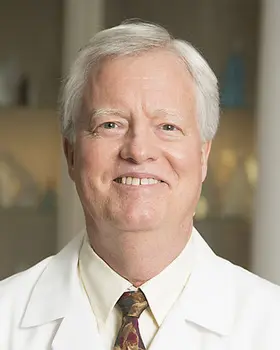
Sidney Kimmel Comprehensive Cancer Center
Richard J. Jones, M.D., is a Professor of Oncology and Medicine, Director of the Bone Marrow Transplantation Program, and Co-Director of the Hematologic Malignancies Program at The Sidney Kimmel Comprehensive Cancer Center at Johns Hopkins. Dr. Jones received his Bachelor of Science in chemistry from Bucknell University prior to completing his medical degree at the Temple University School of Medicine. He then completed his residency at Temple University Hospital, where he was appointed to serve as Chief Resident in Internal Medicine. Dr. Jones later came to Johns Hopkins to complete his Medical Oncology Fellowship, and was then recruited to the faculty. Dr. Jones’ research is aimed at better understanding the biology of normal and cancer stem cells, with the goal of translating promising findings to the clinic particularly in the area of blood and marrow transplantation (BMT). Dr. Jones' laboratory discovered one the most commonly-used stem cell markers, Aldefluor which identifies cells based on their expression of aldehyde dehydrogenase 1 (ALDH1), and have used this marker to identify and characterize normal stem cells and cancer stem cells from many hematologic malignancies. This work also led to the development of post-transplant cyclophosphamide and effective related haploidentical BMT. Cyclophosphamide is metabolized by ALDH1, which is the reason both stem cells and memory lymphocytes are resistant to the drug. Recently, Dr. Jones' laboratory found that cytochrome P450 enzymes are a major mechanism by which the bone marrow stem cell niche protects both normal and leukemia stem cells. Dr. Jones co-leads the Hematologic Malignancies and Bone Marrow Transplantation Research Program. In addition to his promising work in the laboratory, Dr. Jones is recognized as a gifted mentor. During his tenure at Hopkins, he has trained a generation of leading physician-scientists who have excelled at Johns Hopkins and across the country. Dr. Jones has also authored numerous peer-reviewed articles that have been published in such prestigious journals as Blood, Nature, the New England Journal of Medicine, Lancet, PNAS, the Annals of Internal Medicine, the Journal of Clinical Oncology, the Journal of the National Cancer Institute, the British Journal of Haematology, and Leukemia. Dr. Jones is rated as a Distinguished provider by MediFind in the treatment of Myelodysplastic Syndrome (MDS). His top areas of expertise are Acute Myeloid Leukemia (AML), Myelodysplastic Syndrome (MDS), Non-Hodgkin Lymphoma, Leukemia, and Splenectomy.

Sidney Kimmel Comprehensive Cancer Center
Mark J. Levis, M.D., Ph.D., professor of oncology, medicine and pharmacology in the Division of Hematologic Malignancies at the Johns Hopkins University School of Medicine, co-directs the Hematologic Malignancies and Bone Marrow Transplantation Program and directs the Adult Leukemia Service at the Johns Hopkins Sidney Kimmel Cancer Center. In addition to his role within the Kimmel Cancer Center, he serves on the faculty for the Johns Hopkins Graduate Training Program in Cellular and Molecular Medicine, a Ph.D. program that prepares scientists to conduct laboratory research at the cellular and molecular level that is designed to have a direct impact on the understanding of human diseases. Dr. Levis has expertise in acute and chronic myeloid leukemia, acute lymphoblastic leukemia, and myelodysplastic syndromes. Dr. Levis received his medical degree at the University of California, San Francisco School of Medicine, where he also earned his Ph.D. in Biochemistry. He completed a residency in internal medicine at Johns Hopkins, followed by fellowships in medical oncology. Dr. Levis is a member of the American Society of Hematology, the American Society of Clinical Oncology and the European Hematology Association. He is an ad hoc member of the Oncology Drug Advisory Committee, as well as an ad hoc manuscript referee for peer-reviewed journals such as New England Journal of Medicine; Leukemia; Clinical Cancer Research; and The American Journal of Hematology. Dr. Levis has earned numerous awards, such as the Daniel Nathans Research Award from Johns Hopkins University, the Osler Housestaff Teaching Award, the Director's Teaching Award in Clinical Science, and the Advanced Clinical Research Award from the American Society of Clinical Oncology. Dr. Levis’ laboratory research focuses on the development of molecularly-targeted therapies for leukemia. He is actively involved in the pre-clinical and clinical development of small molecule inhibitors of protein kinases, including FLT3. The research involves studying the biochemical effects of these inhibitors on samples taken from leukemia patients, with the broad goal of identifying and validating novel molecular therapeutic targets in these hematopoietic malignancies. While Dr. Levis plays a key role in the pre-clinical development of these therapies, he is particularly interested in translating this research to the bedside of his patients by using correlative studies to incorporate these novel therapies into existing treatments. In addition to his work in both the clinic and the laboratory, Dr. Levis has also conducted talks, mentorship and teaching lectures, and published extensively in the top journals in his field, including Leukemia; Blood; and the New England Journal of Medicine. Dr. Levis is rated as a Distinguished provider by MediFind in the treatment of Myelodysplastic Syndrome (MDS). His top areas of expertise are Acute Myeloid Leukemia (AML), Leukemia, Acute Promyelocytic Leukemia, Acute Myeloblastic Leukemia without Maturation, and Bone Marrow Aspiration.

Sidney Kimmel Comprehensive Cancer Center
B.S., Massachusetts Institute of Technology M.D., University of Pennsylvania School of Medicine M.B.A., Carey School of Business at Johns Hopkins. Dr. Fuchs is rated as a Distinguished provider by MediFind in the treatment of Myelodysplastic Syndrome (MDS). His top areas of expertise are Myelodysplastic Syndrome (MDS), Diffuse Large B-Cell Lymphoma (DLBCL), Acute Myeloid Leukemia (AML), Multiple Myeloma, and Bone Marrow Aspiration.
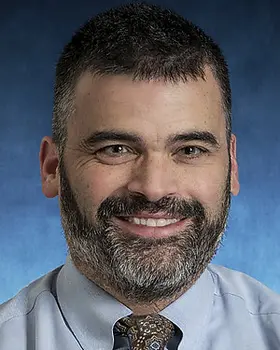
Skip Viragh Outpatient Cancer Center
William Houck is an Oncologist in Baltimore, Maryland. Dr. Houck is rated as a Distinguished provider by MediFind in the treatment of Myelodysplastic Syndrome (MDS). His top areas of expertise are Paget Disease of the Breast, Lung Cancer, Chronic B-Cell Leukemia (CBCL), and Chronic Lymphocytic Leukemia (CLL).

Sidney Kimmel Comprehensive Cancer Center
Dr. Webster is an Assistant Professor of Oncology at The Johns Hopkins University School of Medicine. He is active in the Division of Hematology Malignancies, Leukemia Program at the Sidney Kimmel Comprehensive Cancer Center at Johns Hopkins. Dr. Webster has expertise in acute lymphoblastic leukemia (ALL), acute myeloid leukemia (AML), chronic myeloid leukemia (CML) and myelodysplastic syndrome (MDS). Dr. Webster received his medical degree from The Stanford University School of Medicine. He completed residency training in internal medicine at Johns Hopkins followed by a fellowship in medical oncology. He completed the Science of Clinical Investigation curriculum at the Johns Hopkins Bloomberg School of Public health. Dr. Webster is a member of the American Society of Hematology, and the American Society of Clinical Oncology. Dr. Webster’s research activities consist of designing and conducting clinical trials that test investigational new therapies and approaches in the treatment of acute leukemias (ALL and AML). He has specific expertise in the use of maintenance therapies following bone marrow transplantation. He has developed novel clinical trials utilizing immunotherapy for the treatment of ALL and the prevention of post-transplant relapse in both ALL and AML. He serves as the Principal Investigator for these trials of post-transplant maintenance strategies, as well as the site PI for multi-center trials that are currently being conducted through the Eastern Co-operative Oncology Group (ECOG)-ACRIN and Experimental Therapeutics Clinical Trials Network (ETCTN). As the leader of the adult ALL program at Johns Hopkins, he has focused on increasing clinical trial enrollments and improving outcomes in adult ALL. Dr. Webster is rated as a Distinguished provider by MediFind in the treatment of Myelodysplastic Syndrome (MDS). His top areas of expertise are Acute Lymphoblastic Leukemia (ALL), Acute Myeloid Leukemia (AML), Acute Myeloblastic Leukemia without Maturation, Myelodysplastic Syndrome (MDS), and Bone Marrow Aspiration.
Sidney Kimmel Comprehensive Cancer Center
Dr. B. Douglas Smith is an Oncologist in Baltimore caring for patients with leukemias and other blood and bone marrow disorders and he is recognized nationally as an expert in the care of patients with these disorders and as a leader in novel therapeutics for these conditions. Dr. Smith serves as the Co-Director of Clinical Research Operations for the Division of Hematologic Malignancies and helps to manage the Division’s clinical research trials. Dr. Smith received his undergraduate degree in Biology from Lafayette College (Easton, PA), earned his M.D. at the Medical College of Pennsylvania (Philadelphia, PA), completed his Residency at Strong Memorial Hospital of the University of Rochester (Rochester, NY), and Fellowship in Medical Oncology at Johns Hopkins (Baltimore, MD). Dr. Smith joined the Johns Hopkins faculty in 1998 at the completion of his training. His main research interests include drug development for patients with AML, CML, and MDS and he serves as Co-Investigator for the Oncology Center’s UM1 (early phase drug development) Grant. The Leukemia Program’s clinical trials portfolio has included trials for each of the 8 newly FDA-approved drugs for acute leukemia in the past 2 years. Dr. Smith has a passion for teaching trainees and has served on the Fellowship Executive Committee since 2010 focusing on the program’s educational platforms. He has won numerous teaching awards in both the Department of Oncology and the Department of Medicine multiple times, and he has a track record of mentoring fellows pursuing clinical-translational research and clinician-educator pathways. In 2020, Dr. Smith was awarded membership in the prestigious Miller Coulson Academy for Excellence in Clinical Care. He is a member of the American Society of Hematology, the American Society of Clinical Oncology and the American Association for Cancer Research. He has served on the National Comprehensive Cancer Network guideline panel for CML since 2001 and previously served on the AML panel from 2001-2015. Dr. Smith has extensive experience in the regulatory aspects of drug development and he currently serves as the Chair of the Johns Hopkins Institutional Review Board #2. Dr. Smith is rated as a Distinguished provider by MediFind in the treatment of Myelodysplastic Syndrome (MDS). His top areas of expertise are Chronic Myelogenous Leukemia (CML), Philadelphia-Negative Chronic Myeloid Leukemia, Childhood Acute Myeloid Leukemia, Acute Myeloid Leukemia (AML), and Bone Marrow Aspiration.
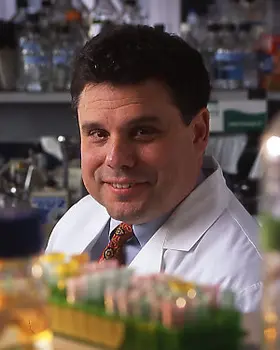
Sidney Kimmel Comprehensive Cancer Center
Richard F. Ambinder, M.D., Ph.D., currently serves as the James B. Murphy Professor of Oncology and the Director of the Division of Hematologic Malignancies at the Johns Hopkins Kimmel Cancer Center. He is program co-leader of the Hematologic Malignancies and Bone Marrow Transplantation Program and leads the AIDS Malignancy Consortium (AMC) site at Johns Hopkins and the AMC Translational Sciences Working Group nationally. Dr. Ambinder graduated from Harvard College with a Bachelor’s degree in biochemistry, after which he received his medical degree from the Johns Hopkins University School of Medicine before completing his residency at the Johns Hopkins Hospital. He also earned his Ph.D. in pharmacology from the Johns Hopkins University, and completed his oncology fellowship at Johns Hopkins. Within the clinic, Dr. Ambinder is active in the treatment of lymphoma and Kaposi’s sarcoma. Dr. Ambinder’s research is focused on exploring opportunities to prevent or treat cancer with viral infections. Virus-associated tumors are among the most common malignancies in certain populations and regions. For instance, Burkitt's lymphoma (EBV) and Kaposi's sarcoma (KSHV) are common in equatorial Africa, nasopharyngeal carcinoma (EBV) is common in southern Chinese populations or those with southern Chinese origins, and immunoblastic lymphomas (EBV) are common in immunocompromised patients (organ transplant recipients, AIDS patients, etc). Thus, Dr. Ambinder’s new approaches to prevention, diagnosis, and treatment stand to have a direct impact on the lives of cancer patients around the globe. Additionally, the study of how viruses can impact these tumors is important in creating model systems for the development of new approaches to cancer care. Currently, many immunotherapies target unidentified antigens, making the measurement of relevant immune responses problematic at best. However, in EBV-associated tumors the antigens are well defined, thus allowing the Ambinder lab to define the epitope-specific cellular immune responses. As a result of this breakthrough, interventions designed to alter immune response —whether they be vaccine based interventions, adoptive immunotherapy interventions, or pharmacologic interventions — may all be assessed in terms of relevant surrogate markers. Much in the same way the treatment of Hodgkin's lymphoma with radiotherapy and chemotherapy paved the way for the modern approach to cancer treatment more broadly, the treatment of EBV-associated tumors (including Hodgkin's lymphoma) may pave the way to the more generalized use of these modalities to treat a myriad of cancer types. Dr. Ambinder is rated as an Advanced provider by MediFind in the treatment of Myelodysplastic Syndrome (MDS). His top areas of expertise are Hodgkin Lymphoma, Non-Hodgkin Lymphoma, B-Cell Lymphoma, Tissue Biopsy, and Bone Marrow Aspiration.
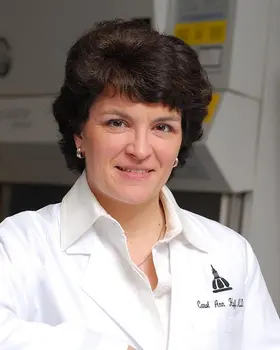
Sidney Kimmel Comprehensive Cancer Center
Carol Ann Huff, M.D., is an Associate Professor of Oncology and Medicine at the Johns Hopkins University School of Medicine and Medical Director for the Johns Hopkins Kimmel Cancer Center. After completing a Bachelor of Science in Zoology at Duke University in Durham, NC, Dr. Huff received her medical degree from Baylor College of Medicine in Houston. She completed her internship and residency in Internal Medicine at Johns Hopkins and was an Assistant Chief of Service in the Department of Medicine before completing her fellowship training in the Department of Oncology at Johns Hopkins University. Dr. Huff is a nationally-recognized expert in the treatment of multiple myeloma and amyloidosis and in the development of new biologically-based treatment strategies. She has sought to better understand the mechanisms for recurrence and the inability to cure these diseases. Through this research, the identification of a myeloma cancer stem cell has emerged, and efforts to target these cells through combination therapy in clinical trials are ongoing. In collaboration with Dr. William Matsui, Dr. Huff has identified a flow cytometric-based blood analysis for multiple myeloma patients that can be used to quantify the number of myeloma cancer stem cells and track how these cells respond to treatment. Their efforts have revealed that changes in the number of myeloma cancer stem cells can predict recurrence in myeloma patients before clinical evidence of recurrence is detectable. Using this blood analysis, as well as growth of these cells from bone marrow samples taken from patients with myeloma, they have begun studying therapeutic strategies to target these cells based on cell surface markers and enzymatic pathways that are important to the survival of myeloma stem cells. Dr. Huff is the recipient of multiple awards for clinical and teaching excellence including the Kimmel Cancer Center's Director’s Teaching Award in Oncology in both 2006 and 2012. During her medical school training, Dr. Huff was the recipient of a Howard Hughes Medical Institute-National Institutes of Health (NIH) fellowship. She has received grant support from the NIH, Multiple Myeloma Research Foundation, and Leukemia and Lymphoma Society. and LLS, and is the principal investigator of numerous investigator-initiated and industry- sponsored clinical trials. She is the author of numerous publications and book chapters not only on multiple myeloma and related disorders, but also on bone marrow transplantation and a range of topics related to internal medicine and oncology. Her current research efforts involve active collaboration with the preclinical laboratories in the development and testing phases of new therapeutic approaches, as well as a lead effort in the national African American Myeloma Consortium seeking to better understand genetic determinants of the disease. Dr. Huff is rated as an Advanced provider by MediFind in the treatment of Myelodysplastic Syndrome (MDS). Her top areas of expertise are Multiple Myeloma, Relapsed Refractory Multiple Myeloma (RRMM), Smoldering Multiple Myeloma, and Plasmacytoma.

Sidney Kimmel Comprehensive Cancer Center
Dr. Alexander J. Ambinder is an instructor of medicine at the Johns Hopkins University School of Medicine. He is active in the Division of Hematology Malignancies, Leukemia Program at the Sidney Kimmel Comprehensive Cancer at Johns Hopkins. Dr. Ambinder has expertise in acute myeloid leukemia (AML), myelodysplastic syndrome (MDS), and bone marrow transplantation. Dr. Ambinder received his B.A. from Washington University in St. Louis. He earned his M.D. from Emory University School of Medicine and his M.P.H. from Emory University Rollins School of Public Health. He completed the Osler Medical Residency Training Program in internal medicine at Johns Hopkins and subsequently served as an Assistant Chief of Service (Chief Resident). He completed his fellowships in Hematology and Oncology at the Sidney Kimmel Comprehensive Cancer Center at Johns Hopkins and also served as a Chief Fellow. Dr. Ambinder is a member of the American Society of Hematology and the American Society of Clinical Oncology. Dr. Ambinder’s principle research interest is in designing and conducting clinical trials inspired by laboratory insights to improve the management of acute myeloid leukemia and myelodysplastic syndrome. He also has an interest in building large databases that will yield insights that allow for more personalized approaches to the care and treatment of patients with blood cancers. Dr. Ambinder is rated as an Advanced provider by MediFind in the treatment of Myelodysplastic Syndrome (MDS). His top areas of expertise are Acute Myeloid Leukemia (AML), Acute Myeloblastic Leukemia without Maturation, Myelodysplastic Syndrome (MDS), Bone Marrow Aspiration, and Bone Marrow Transplant.

The Johns Hopkins Hospital
Dr. Rakhi P. Naik is the Associate Director for the Division of Hematology at Johns Hopkins University. She also serves as Director of the Fellowship Hematology Track and Director of Organ Systems Foundation of Medicine (OSFM), the largest pre-clerkship course in the medical school. She holds an undergraduate degree in Biomedical & Electrical Engineering from Duke University, an M.D. with. Dr. Naik is rated as an Advanced provider by MediFind in the treatment of Myelodysplastic Syndrome (MDS). Her top areas of expertise are Sickle Cell Disease, Congenital Hemolytic Anemia, Hemolytic Anemia, and Hemoglobinopathy.
Sidney Kimmel Comprehensive Cancer Center
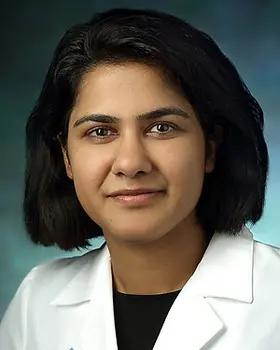
As a physician scientist in the hematological malignancies and stem cell transplantation division with Sidney Kimmel Comprehensive Cancer Center at the Johns Hopkins, my focus is on the various aspects of cellular therapy in the treatment of hematological malignancies. My primary research focus is to develop strategies to prevent relapse of hematological malignancies following allogeneic stem cell transplantation. Additionally, I serve as the director of the adult CAR T program for hematological malignancies as we grow our CAR T program to help patients with advanced hematological malignancies. My academic interest in this space lies in studying the aspects of toxicity of CAR T cell therapy with an aim to improve long term outcomes in these patients. Among hematological malignancies, myeloproliferative disorders are my area of interest and I work to study newer drugs in early phase of development and also its treatment using allogeneic stem cell transplantation. Patient appointments: 410-955-8893. Dr. Jain is rated as an Advanced provider by MediFind in the treatment of Myelodysplastic Syndrome (MDS). Her top areas of expertise are Myelofibrosis, Myeloproliferative Neoplasms (MPN), Splenomegaly, Bone Marrow Transplant, and Splenectomy.

Sidney Kimmel Comprehensive Cancer Center
Dr. Ghiaur, a member of the Johns Hopkins Kimmel Cancer Center, is a physician-scientist whose primary interest is normal and malignant hematopoiesis, especially the role of the microenvironment in cell extrinsic drug resistance and persistence of minimal residual disease. He has distinguished himself as an outstanding laboratory-based investigator and a superior clinician. His research has translational potential in stem cell therapeutics, as well as acute leukemia and multiple myeloma. Dr. Ghiaur is rated as an Advanced provider by MediFind in the treatment of Myelodysplastic Syndrome (MDS). His top areas of expertise are Acute Myeloid Leukemia (AML), Acute Promyelocytic Leukemia, Acute Myeloblastic Leukemia without Maturation, Bone Marrow Aspiration, and Bone Marrow Transplant.

The Johns Hopkins Hospital
Dr. Karantanos graduated from the School of Health Sciences at the University of Athens, Greece and received a Ph.D. in cancer biology. He completed a post-doctoral research fellowship in molecular oncology and cancer therapeutics at MD Anderson Cancer Center/University of Texas. He did his internal medicine residency and Chief residency training at Boston University and his medical oncology fellowship training at Johns Hopkins. As a research fellow at Johns Hopkins he studied malignant hematopoiesis and his work led to the identification of CCRL2, as an inducer of MDS/sAML cells growth and a mediator of azacitidine resistance. Dr. Karantanos is rated as an Advanced provider by MediFind in the treatment of Myelodysplastic Syndrome (MDS). His top areas of expertise are Acute Myeloid Leukemia (AML), Myelodysplastic Syndrome (MDS), Leukemia, Bone Marrow Aspiration, and Splenectomy.
The Johns Hopkins Hospital
Ravin Garg is a Hematologist Oncology specialist and an Oncologist in Baltimore, Maryland. Dr. Garg is rated as an Advanced provider by MediFind in the treatment of Myelodysplastic Syndrome (MDS). His top areas of expertise are Large-Cell Immunoblastic Lymphoma, Paget Disease of the Breast, Breast Cancer, and Thrombotic Thrombocytopenic Purpura.

The Johns Hopkins Hospital
Kelly Norsworthy is an Oncologist in Baltimore, Maryland. Dr. Norsworthy is rated as an Experienced provider by MediFind in the treatment of Myelodysplastic Syndrome (MDS). Her top areas of expertise are Acute Myeloid Leukemia (AML), Acute Promyelocytic Leukemia, Leukemia, Bone Marrow Aspiration, and Splenectomy.

Sidney Kimmel Comprehensive Cancer Center
Dr. Robert Brodsky is a professor of medicine at the Johns Hopkins University School of Medicine. His area of clinical expertise is classical hematology and haploidentical bone marrow transplant for sickle cell disease and aplastic anemia. Dr. Brodsky serves as the director of the Division of Hematology and the T32 Training Program. He is the Johns Hopkins Family Professor of Medicine and Oncology. He received his M.D. from Hahnemann University. He completed his residency at the Vanderbilt University School of Medicine. He performed a fellowship in hematology at the National Institutes of Health and a fellowship in oncology at Johns Hopkins. He joined the Johns Hopkins faculty in 1997. From 2017 to 2022 he served as Associate Editor to The Journal of Clinical Investigation (JCI) and Secretary to American Society of Hematology (ASH). He serves as President of The American Society of Hematology (ASH) in 2023. Dr. Brodsky is rated as an Experienced provider by MediFind in the treatment of Myelodysplastic Syndrome (MDS). His top areas of expertise are Paroxysmal Nocturnal Hemoglobinuria (PNH), Paroxysmal Cold Hemoglobinuria, Anemia, Bone Marrow Transplant, and Splenectomy.
Last Updated: 01/09/2026