Learn About Silent Thyroiditis
Silent thyroiditis is an immune reaction of the thyroid gland. The disorder can cause hyperthyroidism, followed by hypothyroidism.
The thyroid gland is located in the neck, just above where your collarbones meet in the middle.
Lymphocytic thyroiditis; Subacute lymphocytic thyroiditis; Painless thyroiditis; Postpartum thyroiditis; Thyroiditis - silent; Hyperthyroidism - silent thyroiditis
The cause of the disease is unknown. But it is related to an attack against the thyroid by the immune system. The disease affects women more often than men.
The disease can occur in women who have just had a baby. It can also be caused by medicines such as interferon and amiodarone, and some types of chemotherapy, which affect the immune system.
The earliest symptoms result from an overactive thyroid gland (hyperthyroidism). These symptoms may last for up to 3 months.
Symptoms are often mild, and may include:
- Fatigue, feeling weak
- Frequent bowel movements
- Heat intolerance
- Increased appetite
- Increased sweating
- Irregular menstrual periods
- Mood changes, such as irritability
- Muscle cramps
- Nervousness, restlessness
- Palpitations
- Weight loss
Later symptoms may be of an underactive thyroid (hypothyroidism), including:
- Fatigue
- Constipation
- Dry skin
- Irregular (or heavy) menstrual periods in women
- Mood changes
- Weight gain
- Cold intolerance
These symptoms can persist until the thyroid recovers normal function. The recovery of the thyroid can take many months in some people. Some people only notice the hypothyroid symptoms and do not have symptoms of hyperthyroidism to begin with.
Treatment is based on symptoms. Medicines called beta-blockers may be used to relieve rapid heart rate and excessive sweating.
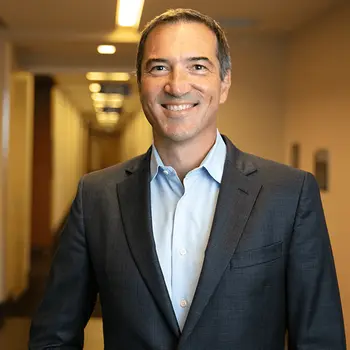
Proliance Surgeons
Thomas A. Knipe, MD, is a board-certified surgeon specializing in the medical and surgical treatment of adult and pediatric disorders of the head and neck. While practicing all aspects of otolaryngology, he has a special interest in sinus, sleep and breathing disorders and tumors of the head and neck. He is trained in advanced surgery of the sinuses and skull base to bring his patients safe and proven treatments for complex tumors of the skull base and more common sinus and breathing limitations alike. He treats patients with benign and malignant tumors of the head and neck including thyroid, parathyroid and salivary glands and is trained in salivary gland-saving endoscopic techniques to remove salivary stones. In his practice, he takes great care to educate his patients and apply his medical expertise to partner with and guide each one through important medical decisions.He is committed to serving the world’s poor and underserved through medical and surgical mission work. He travels overseas to perform surgical repair for children and adults with cleft lip and palate, thyroid disease and benign and malignant disorders of the head and neck.A native of the Seattle area, Dr. Knipe takes the Northwest’s healthy and active lifestyle to heart. He is an avid runner and works hard to keep up with his wife and two daughters. He also enjoys hiking, fishing and competing in ultimate Frisbee. Dr. Knipe is rated as an Experienced provider by MediFind in the treatment of Silent Thyroiditis. His top areas of expertise are Laryngitis, Chronic Rhinosinusitis with Nasal Polyps (CRSwNP), Trachoma, Perichondritis, and Tissue Biopsy.
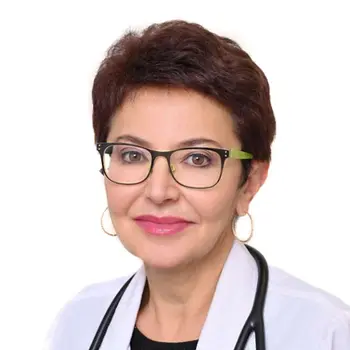
Century Medical & Dental Center
Anzhela Dvorkina is a Board Certified Internal Medicine physician with over 30 years of experience. Doctor Anzhela Dvorkina graduated from State University of New York Downstate Medical Center in the year 1983 and was awarded the doctor of medicine degree. Since then she has received numerous awards from local authorities in the state of New York. Dr. Dvorkina is currently working at Century Medical & Dental Center. Her main goal is to help her patients go through any health problems with dedicated support and professionalism. Dr. Dvorkina is rated as an Experienced provider by MediFind in the treatment of Silent Thyroiditis. Her top areas of expertise are Mucopolysaccharidoses (MPS), Non-Alcoholic Fatty Liver Disease, High Cholesterol, and Obesity.

Irys Medical Clinic
Dr. Farhad Nassiri Afshar is an American board-certified physician specializing in Internal Medicine. With nearly two decades of professional experience in hospitals, intensive care units, and outpatient clinics in various settings, he brings a comprehensive approach to patient care, managing a wide array of medical disorders. His expertise covers the treatment of coronary artery disease, heart failure, atrial fibrillation, hypertension, diabetes, thyroid disorders, anticoagulation medicine, COPD (Chronic Obstructive Pulmonary Disease), asthma, obesity, various gastroenterology issues, and renal disorders.Dr. Nassiri Afshar earned his Doctor of Medicine Degree with distinction in 2004 and completed his Internal Medicine Residency at the University of British Columbia, Canada, in 2018. He is a fellow of the Royal College of Physicians and Surgeons of Canada and holds active medical licenses in multiple states, including Hawaii. His clinical practice is underpinned by a dedication to evidence-based, patient-centered care, focusing on both immediate health concerns and long-term wellness.Currently practicing at Irys Medical Clinic in Honolulu, Dr. Nassiri Afshar provides a range of services, including primary care, urgent care, telemedicine, and aesthetic medicine. His work extends beyond clinical care to include medical research and education, reflecting his commitment to advancing the field of healthcare. . His top areas of expertise are High Cholesterol, Hypertension, Asthma, and Type 2 Diabetes (T2D).
Silent thyroiditis often goes away on its own within 1 year. The acute phase usually ends within 3 months.
Some people develop hypothyroidism over time. They need to be treated with a medicine that replaces thyroid hormone. Regular follow-ups with a provider are recommended.
The disease is not infectious. People cannot catch the disease from you. It also is not inherited within families like some other thyroid conditions.
Contact your provider if you have symptoms of this condition.
Published Date: February 28, 2024
Published By: Sandeep K. Dhaliwal, MD, board-certified in Diabetes, Endocrinology, and Metabolism, Springfield, VA. Also reviewed by David C. Dugdale, MD, Medical Director, Brenda Conaway, Editorial Director, and the A.D.A.M. Editorial team.
Brent GA, Weetman AP. Hypothyroidism and thyroiditis. In: Melmed S, Auchus RJ, Goldfine AB, Koenig RJ, Rosen CJ, eds. Williams Textbook of Endocrinology. 14th ed. Philadelphia, PA: Elsevier; 2020:chap 13.
Hollenberg A, Wiersinga WM. Hyperthyroid disorders. In: Melmed S, Auchus RJ, Goldfine AB, Koenig RJ, Rosen CJ, eds. Williams Textbook of Endocrinology. 14th ed. Philadelphia, PA: Elsevier; 2020:chap 12.
Pearce EN, Hollenberg AN. Thyroid. In: Goldman L, Cooney KA, eds. Goldman-Cecil Medicine. 27th ed. Philadelphia, PA: Elsevier; 2024:chap 207.
Ramos-Levi AM, Marazuela M. Thyroiditis. In: Robertson RP, ed. DeGroot's Endocrinology. 8th ed. Philadelphia, PA: Elsevier; 2023:chap 73.
Smith JR, Wassner AJ. Thyroiditis. In: Kliegman RM, St. Geme JW, Blum NJ, Shah SS, Tasker RC, Wilson KM, eds. Nelson Textbook of Pediatrics. 21st ed. Philadelphia, PA: Elsevier; 2020:chap 582.